
Est. 1898 · Weatherford, Texas
History & Heritage
C.C. Slaughter spent his life betting everything on this land.
These days, that same land belongs to Mamie Slaughter Hudson and her husband Chance, and they're still betting on it, just in a very different way.
Here is how Lazy S started and how it’s still going.
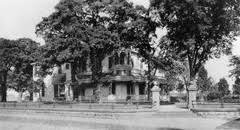
THE RANCHING YEARS
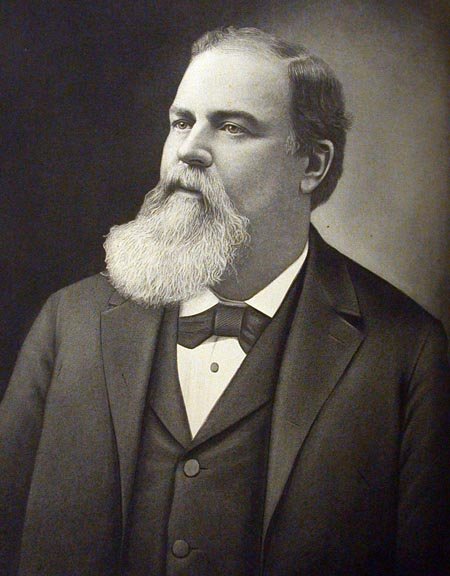
The Cattle King of Texas
The years after the Civil War nearly broke him. An accidental gunshot wound sidelined him for a year and gutted the cattle business. He rebuilt it on two good deals: steers sold to a Jefferson packery for gold, then herds driven to Kansas City. By 1873 he'd founded C.C. Slaughter and Company and moved his family to Dallas.
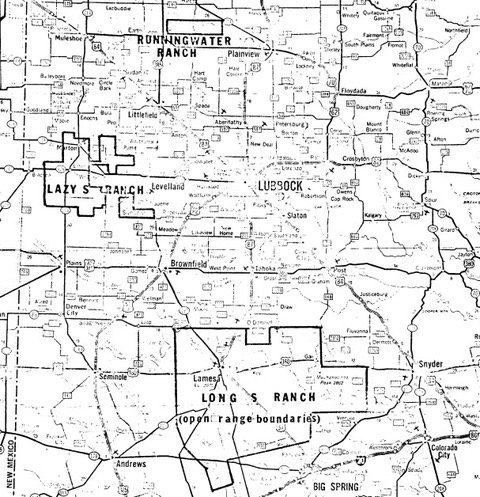
Slaughter built the Long S Ranch on the headwaters of the Colorado River and upgraded his herds with a Chicago World's Fair grand champion Hereford bull, then the record-setting Sir Bredwell. In 1898, he bought 246,699 acres in Cochran and Hockley counties and established the Lazy S Ranch, stocked with his prized Herefords and handed off to his eldest son to run.
By 1906, Slaughter owned over a million acres and 40,000 head of cattle. He was one of the largest individual landholders in the country, and the name everyone in West Texas ranching knew.
THE NEW ERA
HOW THE HACIENDA CAME TO BE
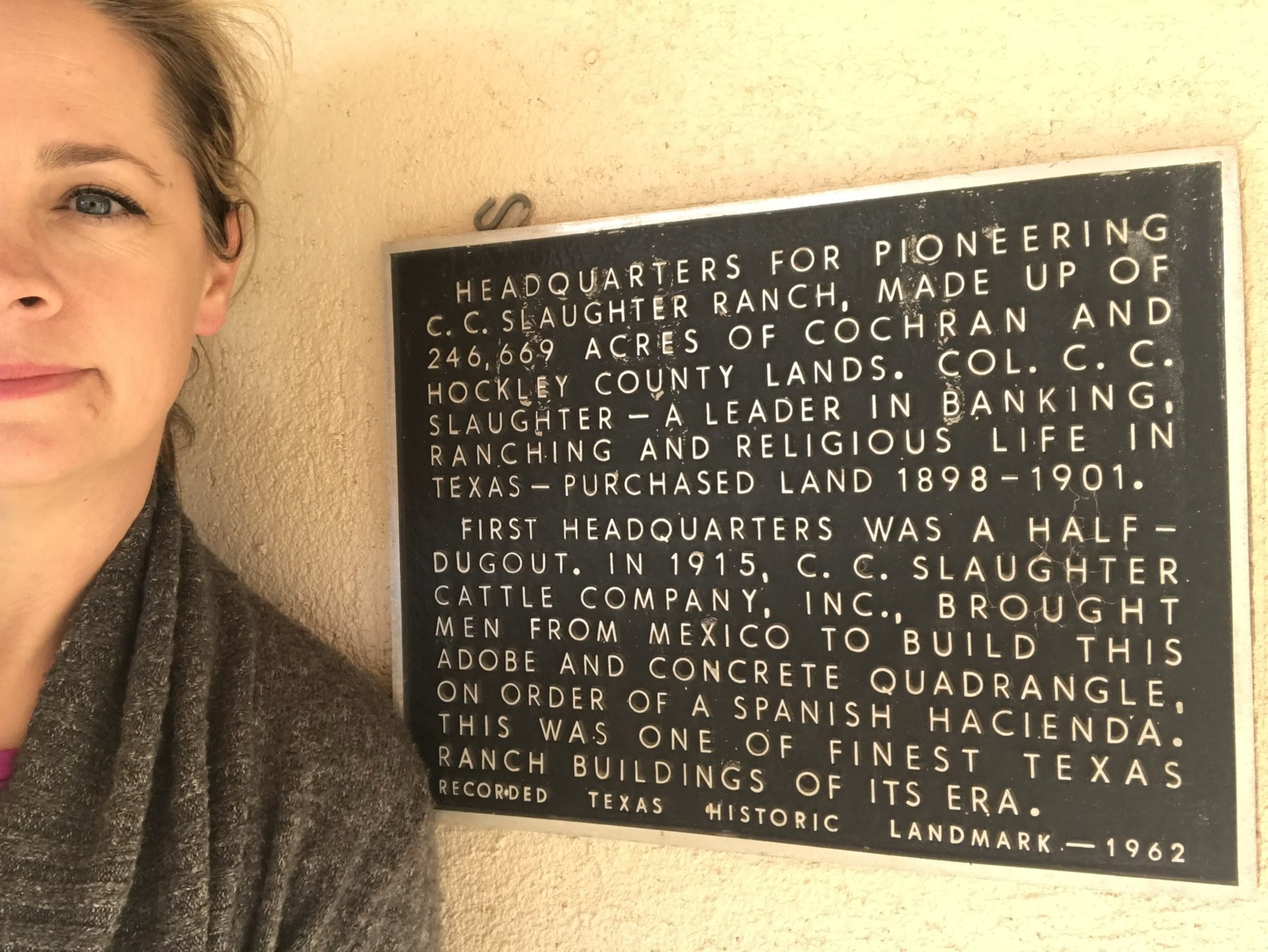
The land stayed in the Slaughter family. Mamie Slaughter Hudson, a direct descendant of C.C. Slaughter, grew up on this property in Weatherford. In 2008, she and her husband Chance had their own wedding here, and guests still talk about the oak trees and the view.
A few years ago, at seventy, Mamie's father decided to head to Oklahoma to chase his own ranching dream, and he gifted the Weatherford property to Mamie and Chance. When she asked him how to turn it into something lasting for their kids and grandkids, his answer stuck with her.
"Don't wait too late like I did. Do it now."
Mamie had always loved Modern Mexican and Spanish design, and she wanted a builder who could deliver something beautiful that would also last and be kind to the land. Ferrier Custom Homes, pioneers in green building, turned out to be the right partner. A wedding-industry podcast led her to venue consultant Lindsay Lucas, and having an industry expert on the team is what took the dream from idea to reality.
C.C. Slaughter built his life on land, risk, and community. That's still what's happening here, just measured in wedding weekends instead of cattle drives.
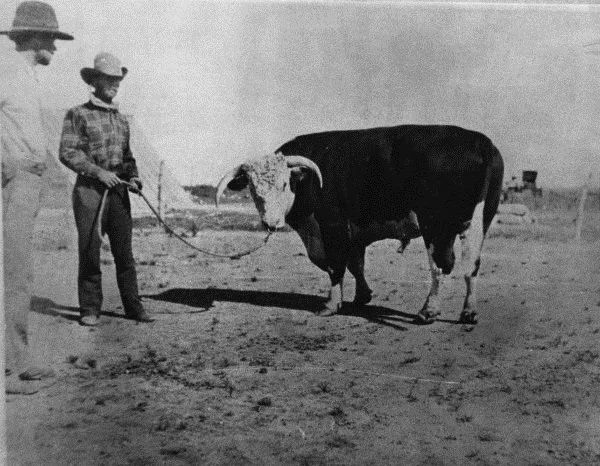
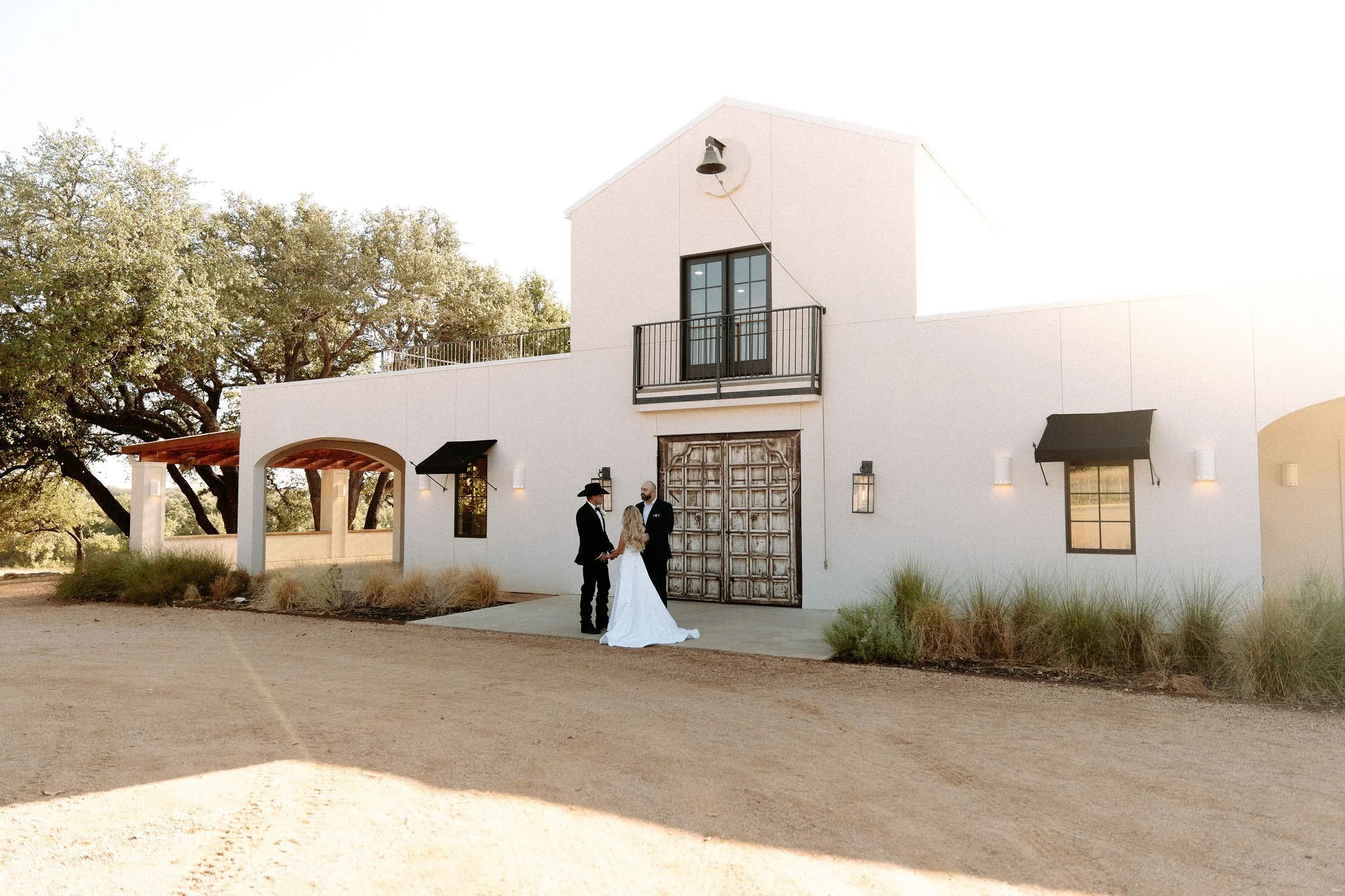
More than a century of ranching history, now the backdrop for new memories.
IF YOU’RE A HISTORY BUFF
There’s More to the Story
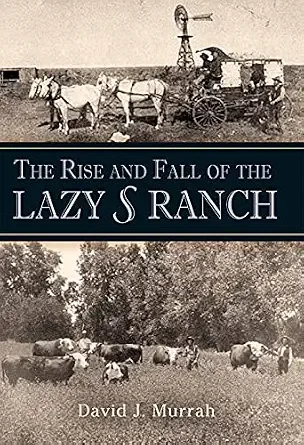
Ranching wasn't the only thing Slaughter built. He also helped found two Dallas banks and gave the majority of the funding for First Baptist Church, plus helped establish what's now Baylor Hospital. Historian David J. Murrah has written the definitive accounts, if you want the full picture.
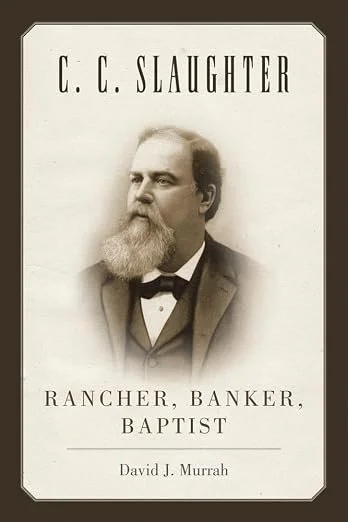
C.C. Slaughter: Rancher, Banker, Baptist
The definitive biography of the Cattle King himself.
The Rise and Fall of the Lazy S Ranch
Award-winning history of this ranch specifically.
EIGHT DAYS BY COACH
On the Road
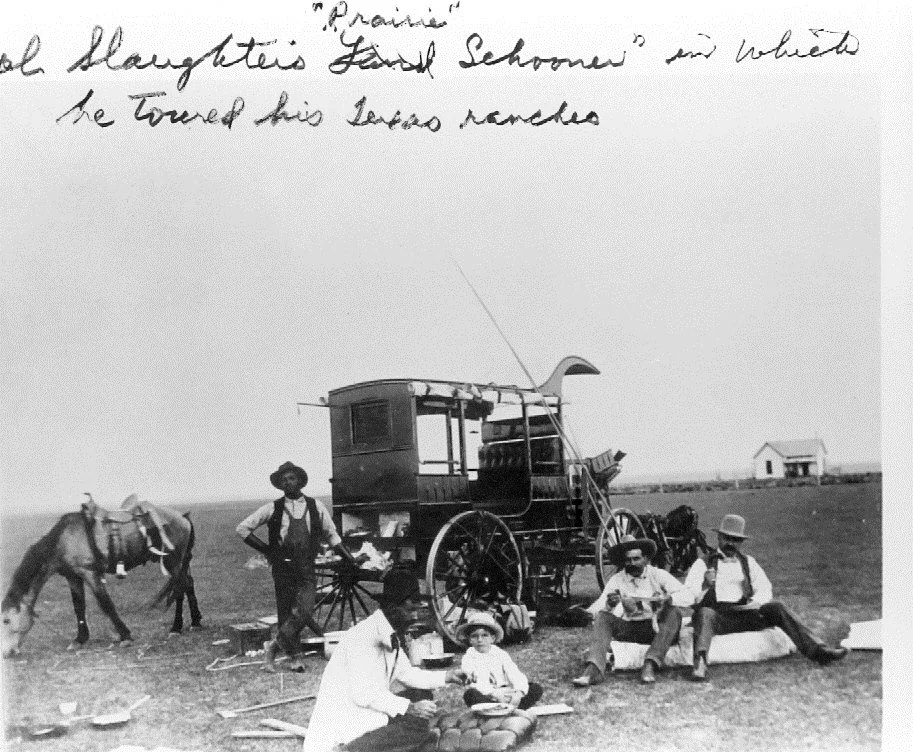
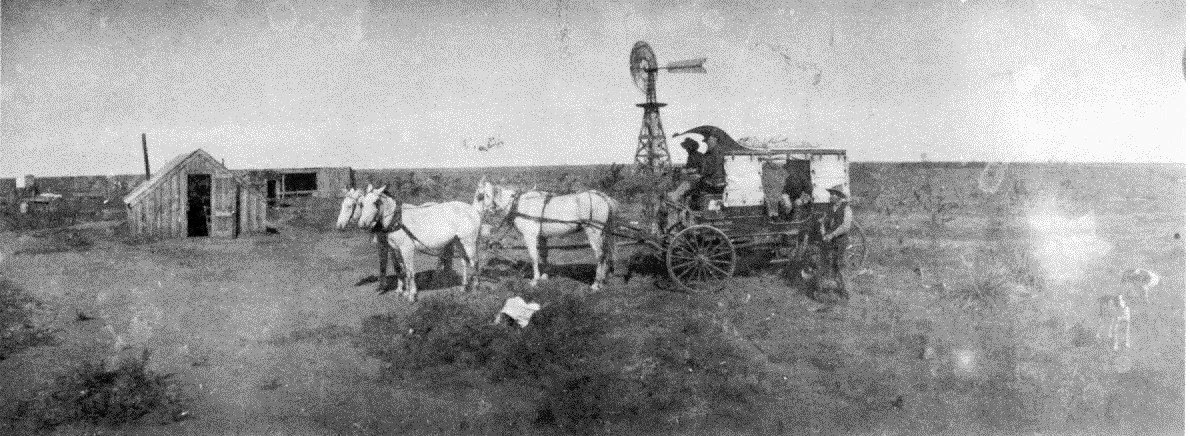
One of Slaughter's ranch managers described his regular circuit between properties: he'd take the train from Dallas to Big Spring, then switch to a converted army ambulance he'd turned into a traveling coach. Mules pulled it at first, later a matched team of horses.
Dallas → Big Spring → Long S → Tahoka Lake → Lazy S → Portales, NM → Dallas
The full loop took about eight days.

MI CASA ES SU CASA
Come See the History for Yourself
The best way to hear the rest of the story (cattle ranch included) is standing on the land where it happened.